

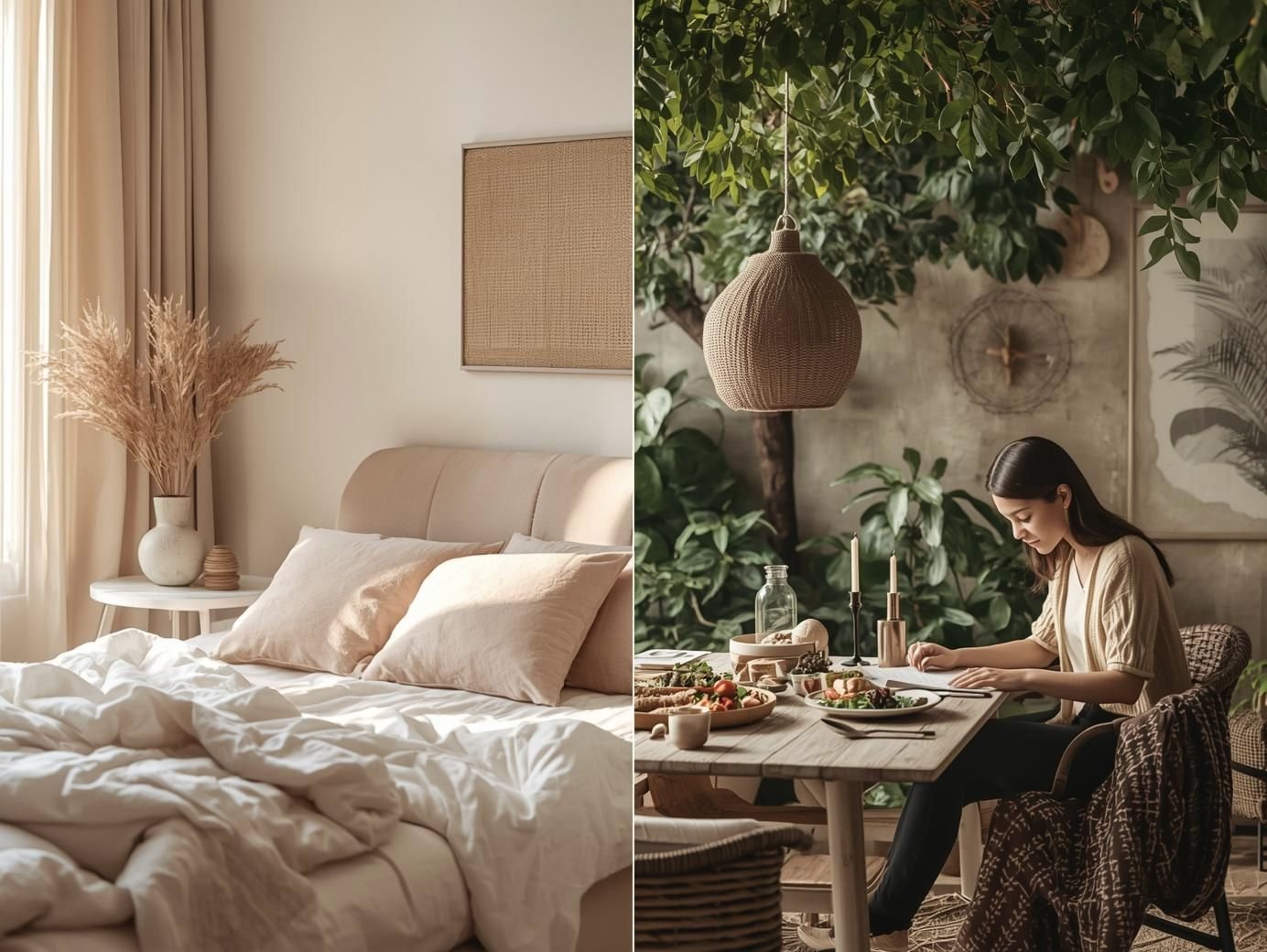

We live in a culture that treats exhaustion like ambition and busyness like moral virtue. Rest is delayed. Burnout is normalized. Peace is something we’re told to earn.
Against that backdrop, two lifestyle philosophies have gained traction: soft life and slow living.
They’re often used interchangeably, but they are not the same. Understanding the difference is important. It matters if you’re trying to create a life that actually feels calmer. This is crucial instead of just looking that way online.
This guide breaks down soft life vs slow living. It explains how they differ and where they overlap. You can find out which one you need right now.
What Is the Soft Life?

The soft life is an emotional and nervous-system centered approach to living. It focuses on ease, boundaries, rest, and safety, especially for people who have spent years operating in survival mode.
The soft life originated in Black digital spaces, particularly among Black women. It emerged as a response to generational burnout and over-performance. There was also an expectation to be endlessly strong without support.
At its core, the soft life says:
You do not need to suffer to be worthy.
Core Soft Life Principles
- Emotional boundaries: Saying no without over-explaining. Choosing peace over people-pleasing.
- Rest without guilt: Treating rest as a necessity, not a reward for productivity.
- Regulated living: Creating environments that calm the body through light, sound, scent, and rhythm.
- Joy without justification: Allowing pleasure and beauty to exist without needing a practical reason.
The soft life is not about avoiding responsibility. It’s about refusing unnecessary struggle. For many people, softness feels uncomfortable at first because they’ve been praised for endurance, not well-being.
Softness isn’t about appearances.
It’s about safety.
What Is Slow Living?

Slow living is a lifestyle philosophy centered on time, pace, and intentional structure. It’s about reducing speed and excess so life can be lived with presence instead of urgency.
Rooted in the global slow movement, slow living pushes back against hustle culture by encouraging sustainability, simplicity, and mindful routines.
Core Slow Living Principles
- Intentional routines: Unrushed mornings, screen-free meals, calmer evenings.
- Simplicity: Fewer commitments, fewer possessions, less noise.
- Mindful consumption: Buying less, choosing better, avoiding impulse.
- Seasonal awareness: Aligning energy with natural cycles instead of constant output.
Slow living is not about doing nothing.
It’s about doing fewer things with intention.
Soft Life vs Slow Living: Key Differences

Although they complement each other, soft life and slow living serve different purposes.
Soft life focuses on emotional well-being and nervous system regulation.
Slow living focuses on time management and lifestyle structure.
You can slow down your schedule and still feel emotionally depleted.
You can curate softness and still live in constant motion.
Soft life without slow living becomes emotional coping.
Slow living without soft life becomes rigid discipline.
The difference matters.
Can You Live Both Softly and Slowly?

Yes, and most people need both.
Soft life helps you feel safe.
Slow living helps you protect your time.
Together, they create sustainability.
Living both might look like:
- Turning down commitments even when you technically have time.
- Designing a calm home instead of an impressive one.
- Choosing rest before burnout forces it.
- Allowing your life to feel quieter without apologizing for it.
This is not about perfection or aesthetics.
It’s about reducing internal and external pressure.
How to Start Living a Softer, Slower Life
You don’t need a full reset. Start small.
- Pause before checking your phone in the morning.
- Choose one part of your day to move without urgency.
- Create one nightly ritual that signals safety and rest.
- Release one obligation that drains more than it gives.
Consistency matters more than intensity.
Final Thoughts

You will not be applauded for choosing peace.
You will not be rewarded for resting.
You may feel resistance before relief.
But softness is not weakness.
Slowness is not failure.
Ease is not falling behind.
They are choices.
And they are often the healthiest ones you can make.